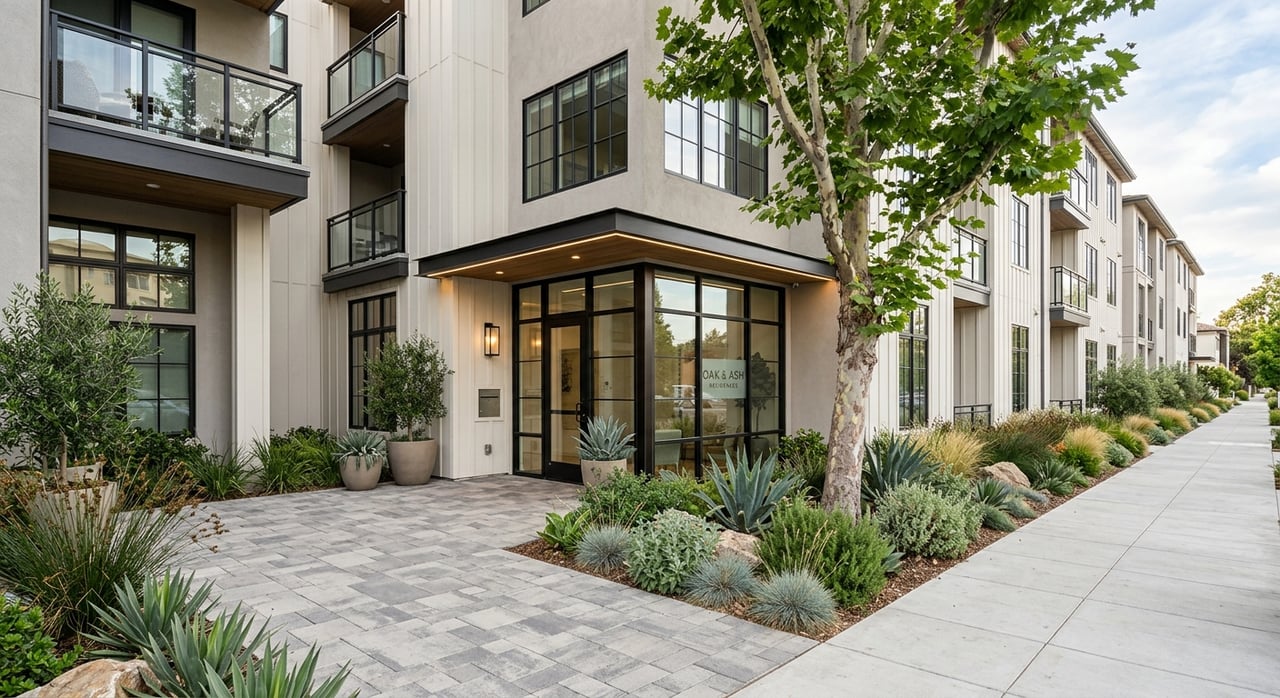
Wondering if living near BART in Walnut Creek is actually convenient day to day, or just sounds good on paper? If you want a home that supports an easier commute, more flexible routines, and better access to downtown, this part of Walnut Creek deserves a closer look. Here’s what you should know about the station area, the housing mix, and what life near BART can really look like. Let’s dive in.
Why BART matters in Walnut Creek
Walnut Creek is not a city where transit is an afterthought. The city’s long-range planning ties Walnut Creek’s role as a downtown hub to strong transit access, and that shows up clearly in how the station area has been planned over time.
Walnut Creek is about 30 miles east of San Francisco, and its downtown serves much of Contra Costa and eastern Alameda counties. BART describes Walnut Creek Station, located at 200 Ygnacio Valley Road, as a key part of the city’s business and arts center. The station serves about 7,000 riders per day, which makes it one of the busiest stations in Contra Costa County.
That bigger picture matters if you are thinking about buying nearby. In Walnut Creek, living near BART is tied to a broader planning pattern focused on walkability, mixed-use development, and infill housing in the core area.
Where the BART access is strongest
Walnut Creek is served by two BART stations. Walnut Creek Station serves downtown Walnut Creek along with major employment and shopping areas, while Pleasant Hill/Contra Costa Centre serves northern Walnut Creek and nearby cities.
If your goal is to stay close to downtown and have easier station access, Walnut Creek Station is usually the main focus. This is the area most closely connected to the city’s pedestrian-oriented downtown core and newer transit-focused development.
What housing near BART looks like
Housing near BART in Walnut Creek is not all one thing. You will find a mix of newer multifamily projects, downtown rentals, and nearby residential pockets with a blend of housing types.
The clearest station-adjacent planning area is West Downtown. The city generally defines this area as bounded by Walnut Creek BART to the north, California Boulevard to the east, Olympic Boulevard to the south, and Interstate 680 to the west.
The West Downtown plan is meant to make it easier to walk and bike between BART and downtown. It also calls for new homes and businesses between Olympic Boulevard and the station, while preserving the Almond-Shuey neighborhood. The area is roughly one-third residential, one-third commercial, and one-third civic or community uses.
North Downtown is another nearby district shaped by transit access. The city describes it as stretching from Civic Drive to Parkside Drive and from Highway 680 to the Iron Horse Trail, with a long-term vision for more homes, offices, community space, and retail, along with easier walking, biking, and transit use.
Expect more rentals and multifamily nearby
If you are comparing living near BART with living in other parts of Walnut Creek, the housing mix is an important difference. The city’s housing element shows that the Downtown Core Area is much more renter-heavy than Walnut Creek overall.
According to the city, 81% of households in the Downtown Core Area are renter households, compared with 35% citywide. That does not mean every nearby property is an apartment building, but it does show that the station and core area lean more toward rentals and multifamily housing than many other parts of the city.
For buyers, that can mean more condo, townhome, and apartment-style living in the immediate area. For sellers, it can help explain who is often drawn to homes near the station: people who value convenience, transit access, and a lower-car lifestyle.
Transit Village is reshaping the station area
One of the biggest changes near the station is the Walnut Creek Transit Village. BART says the project is expected to include about 596 multifamily units, 27,000 square feet of retail, a replacement parking garage for BART patrons, a BART police facility, and an intermodal bus facility.
The first phase, the 358-unit Waymark, was completed in 2023. That gives you a clear example of the type of transit-oriented growth happening right next to the station.
This matters because it adds more housing directly in the station area while also bringing in support uses tied to daily convenience and transit access. It is one more sign that Walnut Creek continues to build around this transit hub rather than away from it.
What daily life near BART can feel like
Living near BART in Walnut Creek can support a routine that is not built entirely around driving. That does not mean every errand is car-free, but it does mean you may have more ways to get where you need to go.
The city’s free Route 4 Downtown Trolley operates seven days a week from Walnut Creek BART. It offers hop-on, hop-off service between shopping, restaurant, and entertainment destinations in downtown Walnut Creek, with weekday service every 12 minutes and weekend service every 20 minutes.
There is also Route 5 Creekside Shuttle on weekdays from Walnut Creek BART to destinations along California Boulevard, South Main Street, and Creekside Drive, including downtown. These local transit options can make short trips easier without moving your car.
At the station itself, BART offers several parking options, including daily, carpool, reserved, and monthly parking. The station also has bike racks and 72 on-demand BikeLink lockers.
BART also lists County Connection, Soltrans Solano Express, and Wheels as serving the station. The city notes that BART provides a convenient way to travel to Berkeley, Oakland, San Francisco, Oakland International Airport, and San Francisco International Airport.
Is the area walkable?
For many buyers, this is the real question. In Walnut Creek, the answer is often yes, especially in the areas shaped by the city’s downtown and station-area plans.
The West Downtown and North Downtown plans both explicitly aim to make it easier to walk, bike, and take transit to, from, and within these areas. The city’s planning history also shows a long-standing focus on a pedestrian-friendly downtown core.
That means the value of living near BART is not just the train itself. It is the combination of station access, downtown connections, and a city framework that supports getting around on foot or by bike in the core area.
Why buyers keep an eye on BART proximity
Transit access can matter for more than convenience. BART’s property value report found that transit access is associated with increased property values, with the strongest effects in pedestrian-friendly, mixed-use neighborhoods that have good station connections.
At the same time, BART notes that this effect is not automatic. It can vary based on the station setting, parking, zoning, and neighborhood form.
That context is useful in Walnut Creek because the station area has several of the ingredients that tend to support long-term interest. The city continues to focus future housing growth in infill, mixed-use, and multifamily development in the core area, and BART is planning station modernization and access improvements aimed at safety, access, and customer experience.
What this means if you want to buy
If you are considering a home near BART in Walnut Creek, start by thinking about how you actually want to live. Do you want to walk into downtown more often, simplify your commute, or have options beyond driving for every trip?
Then look closely at the housing type that fits you best. Near the station, you are more likely to see multifamily and attached housing than in some other parts of Walnut Creek, so your short list may include condos, townhomes, or newer apartment-style communities alongside nearby residential pockets.
This is where a clear plan helps. It is not just about finding a home close to the station. It is about balancing access, property type, monthly costs, and how the location supports your day-to-day routine.
What this means if you want to sell
If you own near BART, your location may already be speaking to a specific kind of buyer. Many buyers who search this part of Walnut Creek are focused on convenience, commute flexibility, downtown access, and the ability to rely less on a car.
That means your marketing should be specific and practical. Clear positioning around station access, downtown connections, and nearby transit options can help buyers quickly understand the lifestyle your home offers.
It also helps to prepare the home around that audience. If you are selling a condo, townhome, or home near the core, strong presentation and a clean plan for timing, prep, and negotiation can make a real difference in how your property competes.
The bottom line on living near BART
Living near BART in Walnut Creek offers more than a shorter route into San Francisco or Oakland. It puts you in an area where city planning, housing growth, and daily transportation options have been intentionally built around transit and downtown access.
For some buyers, that means a more flexible lifestyle and a better fit for commuting. For some sellers, it means your home may appeal to people who want convenience and connectivity built into their routine.
If you want help evaluating which Walnut Creek areas best match your goals, or you need a clear plan to position a home near BART for sale, Alex Lopez can help you make a smart move with less stress.
FAQs
Is living near Walnut Creek BART actually walkable?
- Yes. The city’s West Downtown and North Downtown plans are designed to make it easier to walk, bike, and take transit between BART and downtown, and Walnut Creek has a long-standing focus on a pedestrian-friendly core area.
What types of homes are near Walnut Creek BART?
- The station area includes newer multifamily development, downtown rentals, and nearby residential pockets with a mix of houses and apartments. The downtown core also has a much higher share of renter households than the city overall.
Does Walnut Creek have more than one BART station?
- Yes. Walnut Creek is served by Walnut Creek Station and Pleasant Hill/Contra Costa Centre. Walnut Creek Station is the one most closely tied to downtown Walnut Creek and the central station-area plans.
Can you live near Walnut Creek BART with less driving?
- Often, yes. The Downtown Trolley, Creekside Shuttle, connecting bus service, bike facilities, and BART access can support a more flexible routine with fewer car trips.
Why do buyers care about homes near BART in Walnut Creek?
- Buyers often value easier commuting, downtown access, and the ability to use transit, walking, or biking more often. BART’s property-value analysis also found that transit access can be associated with stronger property values in pedestrian-friendly, mixed-use station areas.
What is the Walnut Creek Transit Village?
- It is a transit-oriented development next to Walnut Creek Station that is expected to include about 596 multifamily units, retail space, a replacement BART parking garage, a BART police facility, and an intermodal bus facility. The first phase, the 358-unit Waymark, was completed in 2023.