If the thought of selling your home makes you picture last-minute repairs, nonstop showings, and paperwork piling up on the counter, you are not alone. Many Walnut Creek sellers want a strong result, but they do not want their daily life turned upside down to get there. The good news is that a low-stress sale is possible when you make decisions in the right order, stay focused on what matters most, and treat the process like a managed plan instead of a scramble. Let’s dive in.
Why planning matters in Walnut Creek
Walnut Creek is moving at a pace that rewards preparation. Recent market snapshots point to a competitive, seller-leaning environment, with one source reporting a median sale price of $862,555, homes selling in about 13 days on average, and roughly 2 offers per home over the three months ending April 2026. Another March 2026 snapshot showed 352 homes for sale, a 100% sale-to-list ratio, and 28 median days on market.
The exact numbers vary by source and time frame, but the larger message is clear. When your home is ready before it hits the market, you are in a better position to move quickly without creating chaos in the first week. That means fewer rushed decisions and a better chance to protect your pricing power.
It also helps to remember that Walnut Creek is not one-size-fits-all. Inventory and price points can vary across neighborhoods and ZIP codes, so citywide averages only tell part of the story. A low-stress strategy should be built around your specific property, timing, and micro-market.
Start with a seller walkthrough
Before you spend money, start with a room-by-room walkthrough of your home. In California, sellers should expect a Transfer Disclosure Statement, which covers the physical condition of the property and potential hazards or defects. The California Department of Real Estate also notes that the buyer’s agent performs a visual inspection and discloses defects that are readily observed.
That is why an early walkthrough matters so much. It helps you spot issues before listing, decide what deserves attention, and avoid wasting time or money on changes that do not support your sale.
As you walk through the property, look for items that may come up later anyway. Think worn surfaces, visible deferred maintenance, leaky fixtures, damaged trim, scuffed walls, or anything that could distract from the home’s overall presentation. The goal is not to create a perfect house. The goal is to create a clear, informed plan.
What to look for first
Focus on the items buyers are most likely to notice right away:
- Paint touch-ups and scuffed walls
- Minor repairs such as loose handles, sticking doors, or dripping faucets
- Deep cleaning throughout the home
- Carpet cleaning where needed
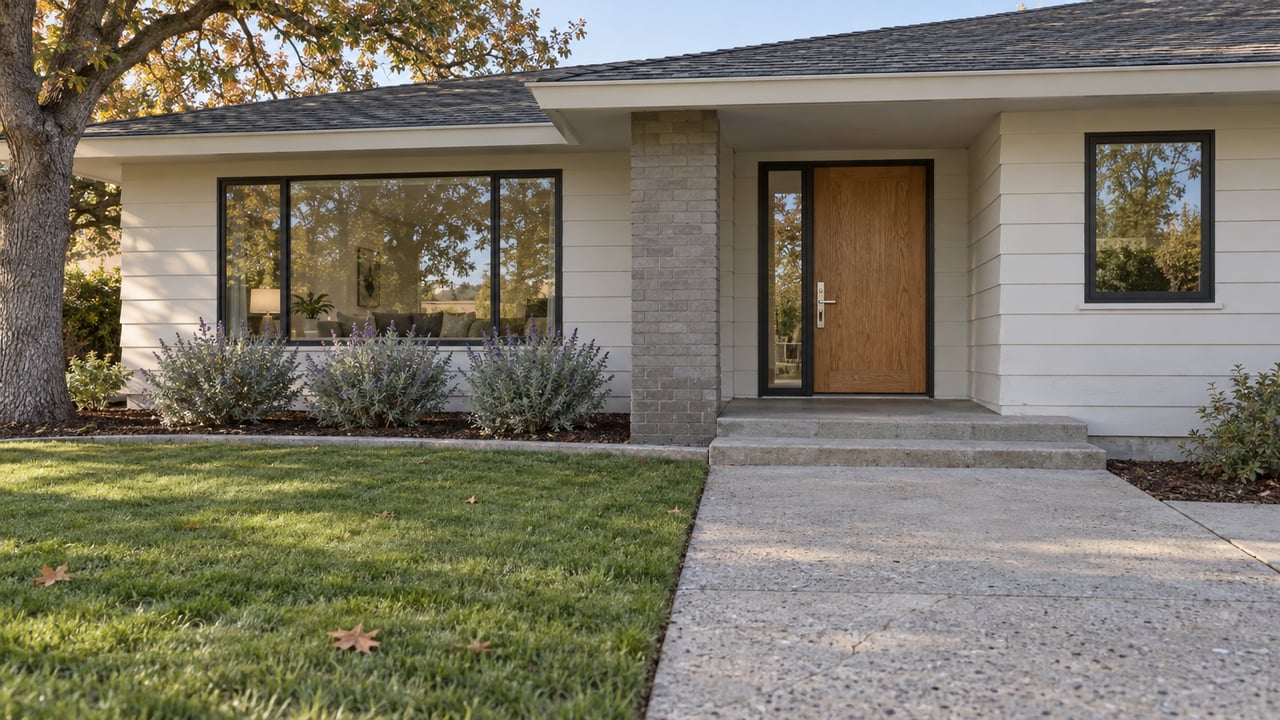
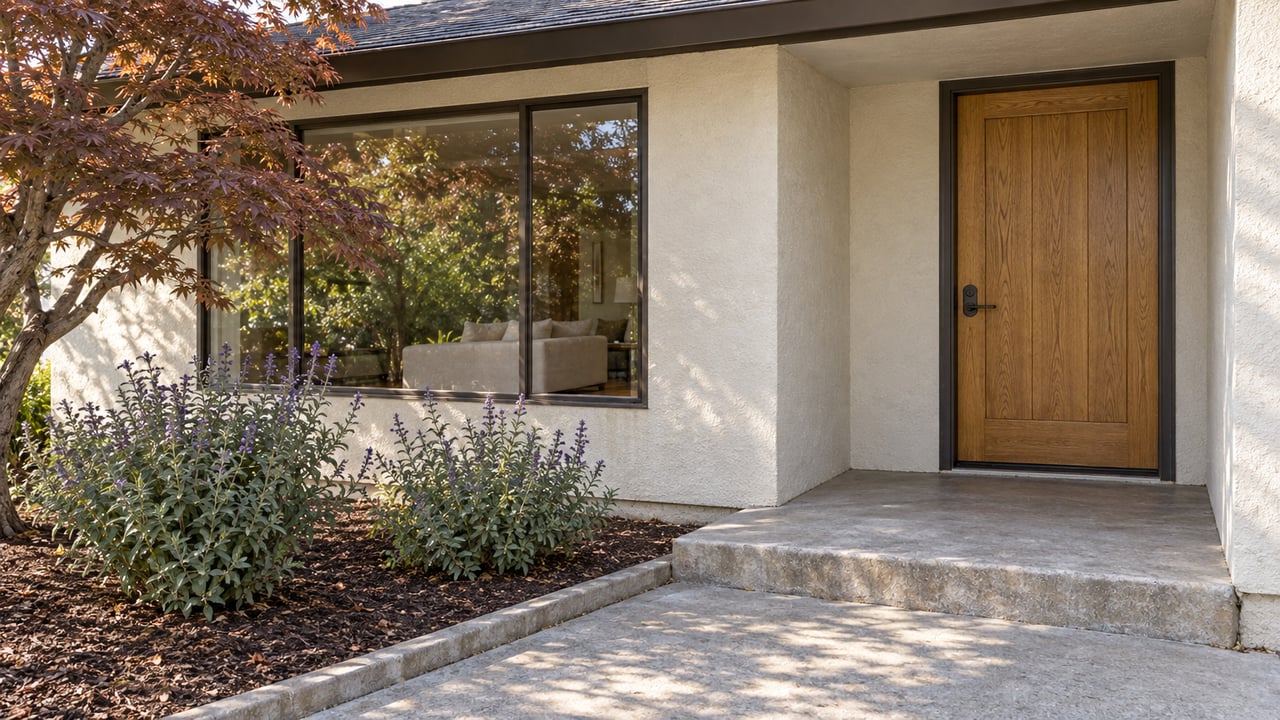
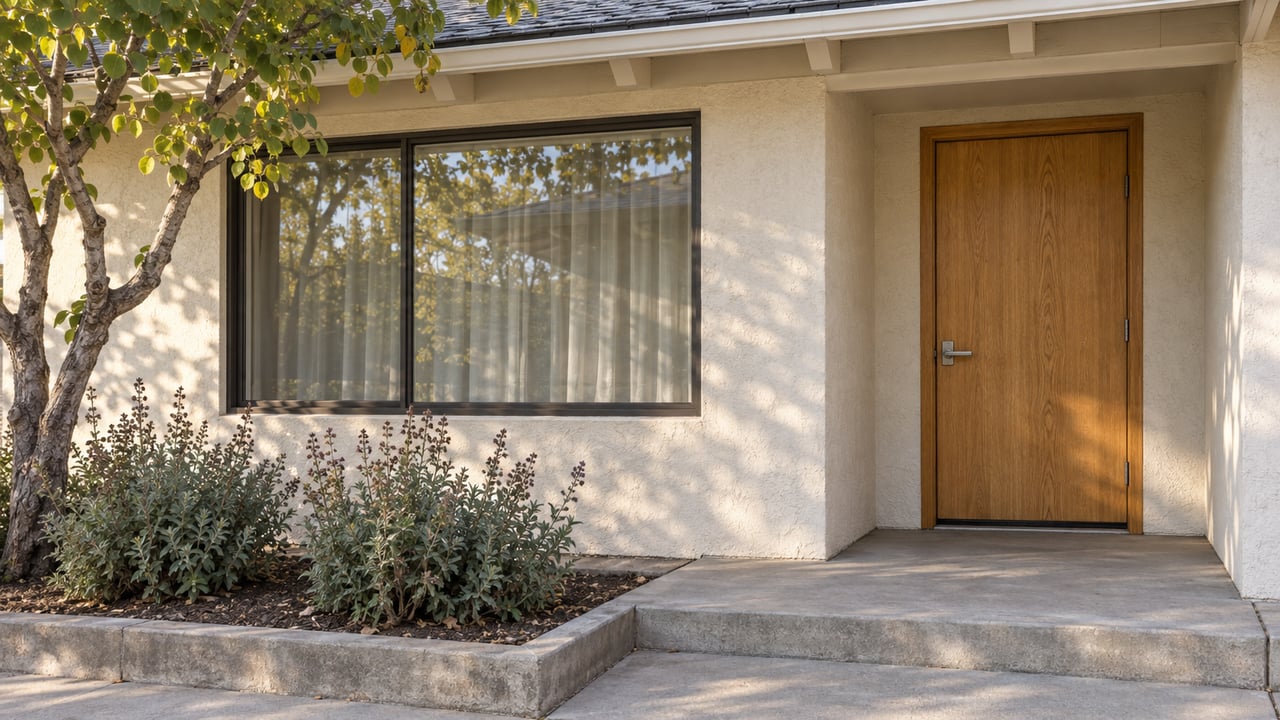
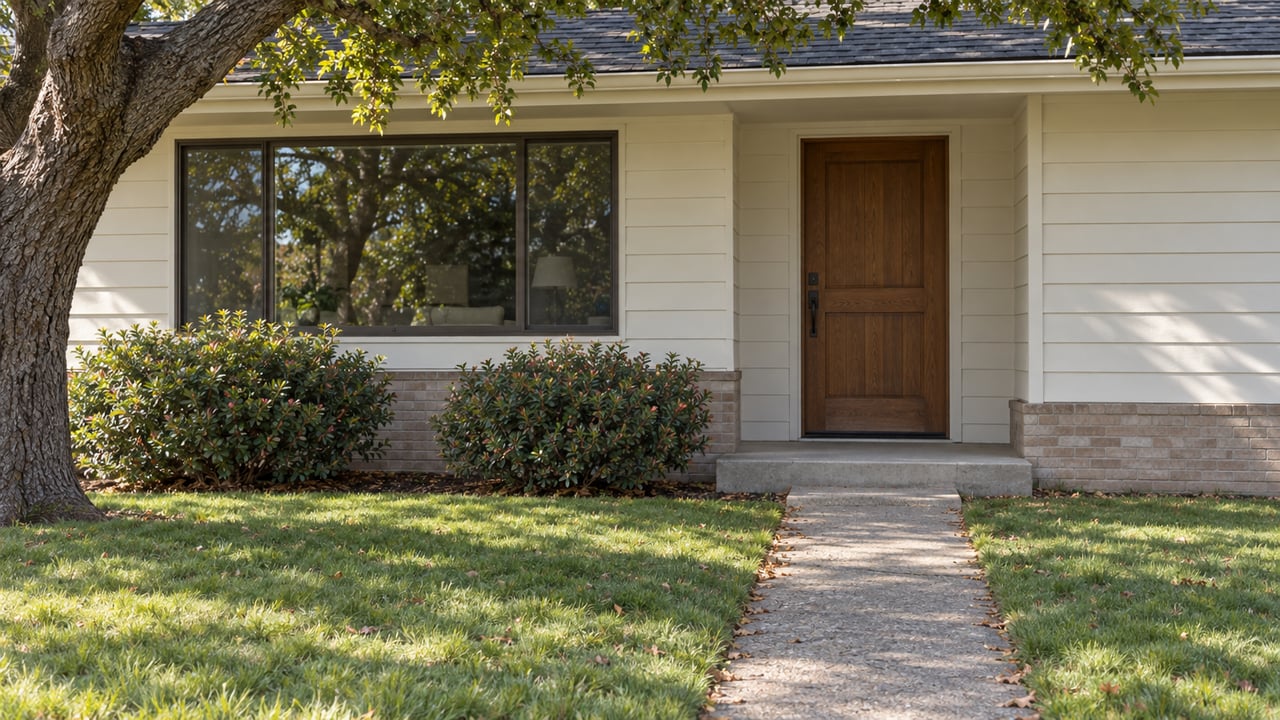
- Curb appeal improvements at the front entry and yard
- General decluttering to open up space and simplify rooms
These are also consistent with the most common pre-listing prep actions reported in recent staging research. For many sellers, they offer the best mix of visual impact and low disruption.
Triage repairs instead of over-renovating
One of the biggest sources of seller stress is not knowing what to fix. Some homeowners swing too far and try to renovate everything. Others do nothing and hope buyers overlook obvious issues. A calmer path is to triage repairs.
Start with repairs that improve condition, presentation, and buyer confidence without dragging you into a long construction timeline. Small fixes often do more for your sale than a major project started too late.
Think in three buckets:
| Repair Type | Priority | Low-Stress Approach |
|---|---|---|
| Safety, function, and visible defects | High | Address these early so they do not become negotiation problems later |
| Cosmetic improvements with broad appeal | Medium | Choose simple updates like touch-up paint, cleaning, and light curb appeal work |
| Large remodels or permit-sensitive upgrades | Case by case | Review carefully before starting, especially if timing is tight |
This kind of triage helps you avoid spending money just to stay busy. It also gives you a framework for deciding what can be skipped.
Check permits before work begins
If you are considering contractor work, pause and verify whether permits apply. Walnut Creek requires building permit applications to be submitted online, and the city’s permit resources list common single-family projects such as kitchen remodels, bathroom remodels, re-roofs, deck or balcony work, plumbing fixture replacements, and seismic upgrades.
The city also states that, starting January 1, 2026, all building permit applications must comply with the 2025 Building Code. That makes permit review an important part of pre-listing planning, especially if you are trying to keep your timeline predictable.
In practical terms, this means you should not schedule work just because it sounds simple. A quick permit check can help you avoid delays, rework, or added stress right before launch.
Stage for clarity, not perfection
Staging does not have to mean turning your home into something unrecognizable. In most cases, it means helping buyers see the space clearly and imagine how the home lives. That can be especially important in a fast-moving market, where first impressions carry a lot of weight.
Recent staging research found that 83% of buyers’ agents said staging made it easier for buyers to visualize the home as a future home. The rooms identified as most important to stage were the living room, primary bedroom, and kitchen.
If your budget or time is limited, start there. Those rooms usually shape the emotional first impression and do a lot of the heavy lifting in photos and showings.
How much staging is enough?
For a low-stress sale, enough staging usually means the home looks clean, bright, open, and easy to understand. You do not need to stage every corner to get the benefit. You need the home to feel intentional.
Recent data offers a helpful budget anchor. The median spend was reported at $1,500 when sellers used a staging service, compared with $500 when the seller’s agent personally staged the home. That range gives you a realistic starting point as you weigh options.
Treat photos and media as part of prep
Professional listing media should not be the last box you check. It should be part of your preparation plan from the beginning. Buyers often meet your home online first, and what they see there shapes whether they book a showing at all.
Research shows that buyers’ agents place strong importance on photos, physical staging, videos, and virtual tours. Sellers’ agents also rate photos, videos, and physical staging highly. That tells you something important: launch assets matter, and they work best when they are coordinated.
The right order usually looks like this:
- Finish cleaning, decluttering, and minor repairs.
- Complete staging or styling.
- Photograph the home once it is fully camera-ready.
- Capture video and virtual tour assets during the same polished window.
- Launch with consistent visuals and a clear showing plan.
This sequence reduces repeat work and helps you avoid the common mistake of taking photos too early. Once your media is done, the goal is to keep the home in that same ready condition through the first push on market.
Create a showing plan that protects your routine
Showings feel stressful when they are unpredictable. They feel more manageable when there is a plan. If you want to keep your household functioning during the sale, decide in advance how access, pets, and communication will work.
Staging-related research points to one very practical action: removing pets during showings. Even if buyers love animals, a simple pet plan helps keep the home cleaner, calmer, and easier to show.
Keep showings predictable
A low-stress showing plan often includes:
- Defined showing windows instead of all-day interruptions
- A simple checklist for lights, counters, and quick pickup
- A plan for pets before each showing
- Clear communication on when requests come in and how quickly you need to respond
- A strategy for keeping the home photo-ready during the first week on market
This is especially helpful in Walnut Creek, where a well-prepared listing may attract quick attention. The more organized your first week is, the less likely you are to feel like the market is running your life.
Get ahead of disclosures
Paperwork becomes much less stressful when you know what is coming. In California, sellers should generally expect both a Transfer Disclosure Statement and a Natural Hazard Disclosure Statement. The Transfer Disclosure Statement covers physical condition, hazards, defects, and may also include factors such as special taxes or assessments.
If your home was built before 1978, there is another important item to plan for. Sellers must disclose known lead-based paint information, provide the lead hazard pamphlet, and give buyers the opportunity to review relevant records and reports.
The easiest way to keep disclosures from feeling overwhelming is to gather information early. That may include past repair invoices, permit records, reports, and notes on known conditions. When this work starts before listing, you reduce the chances of a last-minute paper chase.
Use a project-management approach
The smoothest home sales rarely happen by accident. They happen when one person is managing the order of operations and keeping everyone aligned. In a market like Walnut Creek, where prep, permits, staging, media, and disclosures all affect timing, project management is not a luxury. It is what keeps the process from becoming reactive.
A coordinated sale usually involves specialists handling different parts of the job, from contractors and stagers to inspectors, photographers, escrow professionals, and other service partners. What lowers stress is not just having access to those people. It is having a clear sequence and one point of coordination.
That is often the difference between a sale that feels rushed and one that feels controlled. Instead of solving problems as they pop up, you work from a plan that anticipates them.
A simple low-stress sale timeline
If you want a practical roadmap, this is a smart way to think about the process:
Week 1: Assess and prioritize
Walk the home, note visible issues, review likely disclosures, and identify repairs or prep items that matter most. If any work may require a permit, verify that first.
Week 2: Prep the property
Handle high-impact items like cleaning, decluttering, touch-up paint, carpet cleaning, and minor repairs. Finalize any staging plan based on your budget and timeline.
Week 3: Stage and capture media
Stage key rooms, then complete photography, video, and virtual tour assets once the home is fully ready. This gives your listing a polished first impression from day one.
Launch week: Control access and communication
List with a clear showing schedule, keep the home in ready condition, and stay responsive without allowing the process to take over your routine. If the market responds quickly, you will be positioned to review activity from a place of preparation instead of pressure.
Selling your home does not have to feel messy to be successful. In Walnut Creek, where prepared homes can move quickly, the lowest-stress path is usually the most organized one: assess first, fix what matters, present the home well, line up disclosures early, and coordinate the moving pieces before you go live. If you want a seller advocate who can help you make those decisions clearly and manage the details from start to finish, Alex Lopez can help.
FAQs
What repairs matter most before selling a home in Walnut Creek?
- The best place to start is with visible, high-impact items such as cleaning, decluttering, carpet cleaning, paint touch-ups, curb appeal work, and minor functional repairs.
What home improvements can sellers skip before listing in Walnut Creek?
- Large remodels are not always necessary, especially if they add time, cost, or permit complexity without clearly improving marketability.
How much staging is enough for a Walnut Creek home sale?
- For many sellers, staging the living room, primary bedroom, and kitchen creates the biggest impact without requiring a full-home overhaul.
When should listing photos be taken for a Walnut Creek home?
- Photos should be taken only after cleaning, decluttering, repairs, and staging are complete so your online first impression matches the home at its best.
How can sellers make home showings less disruptive in Walnut Creek?
- A clear plan with defined showing windows, a quick reset checklist, and a pet plan can make the process much easier to manage.
What disclosures should California sellers expect before listing a home?
- Sellers should generally expect a Transfer Disclosure Statement and a Natural Hazard Disclosure Statement, and homes built before 1978 may also require lead-based paint disclosures.
Why should Walnut Creek sellers check permits before pre-sale work?
- Some common home projects may require city permits, and checking early can help you avoid delays, compliance issues, or rushed decisions before listing.