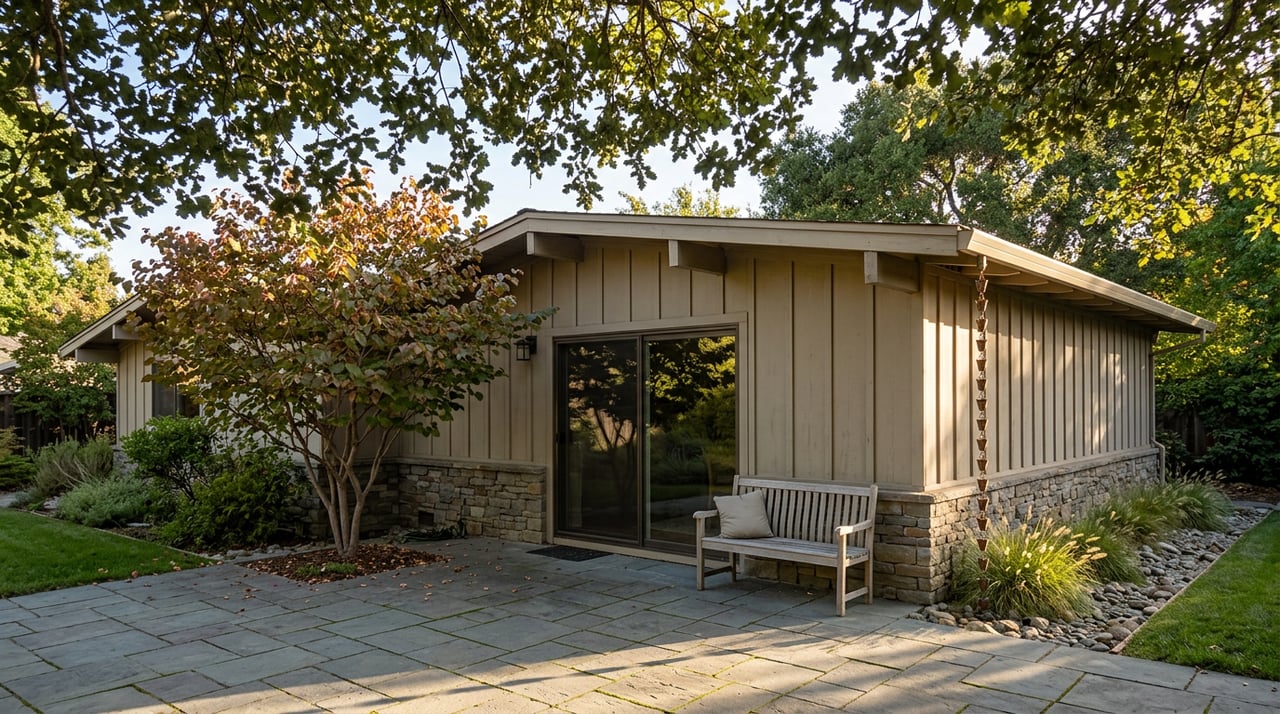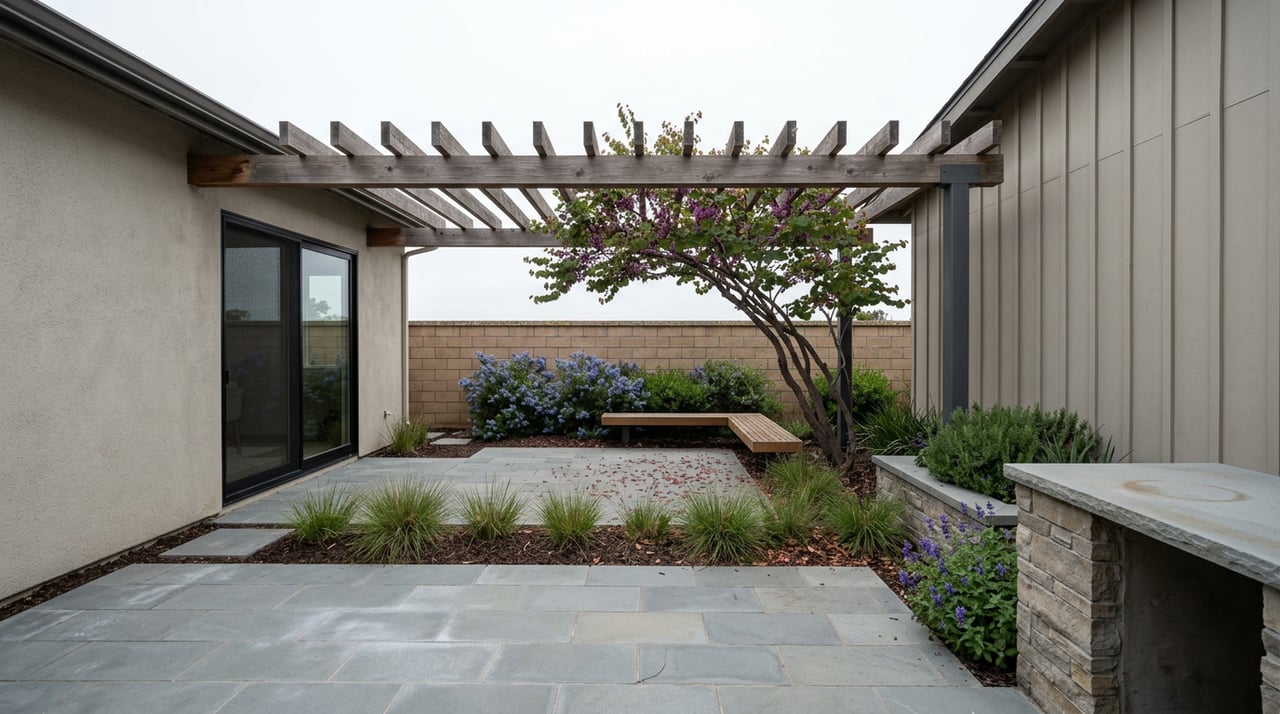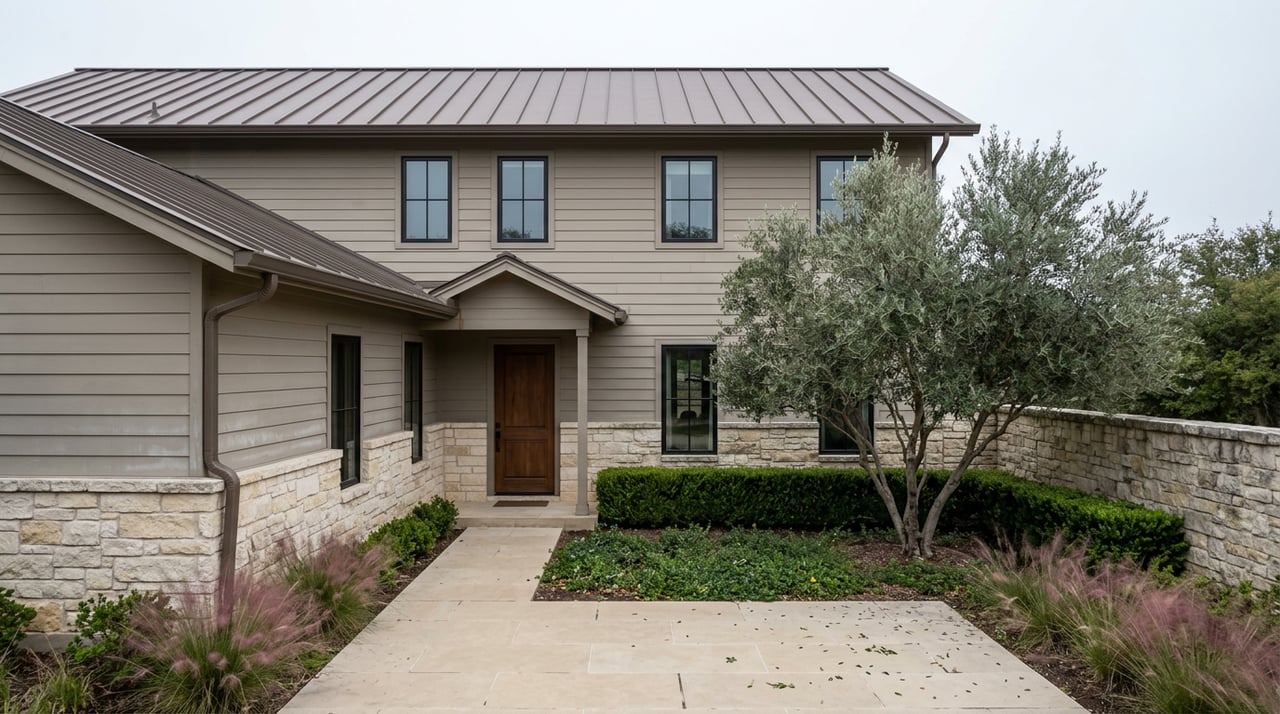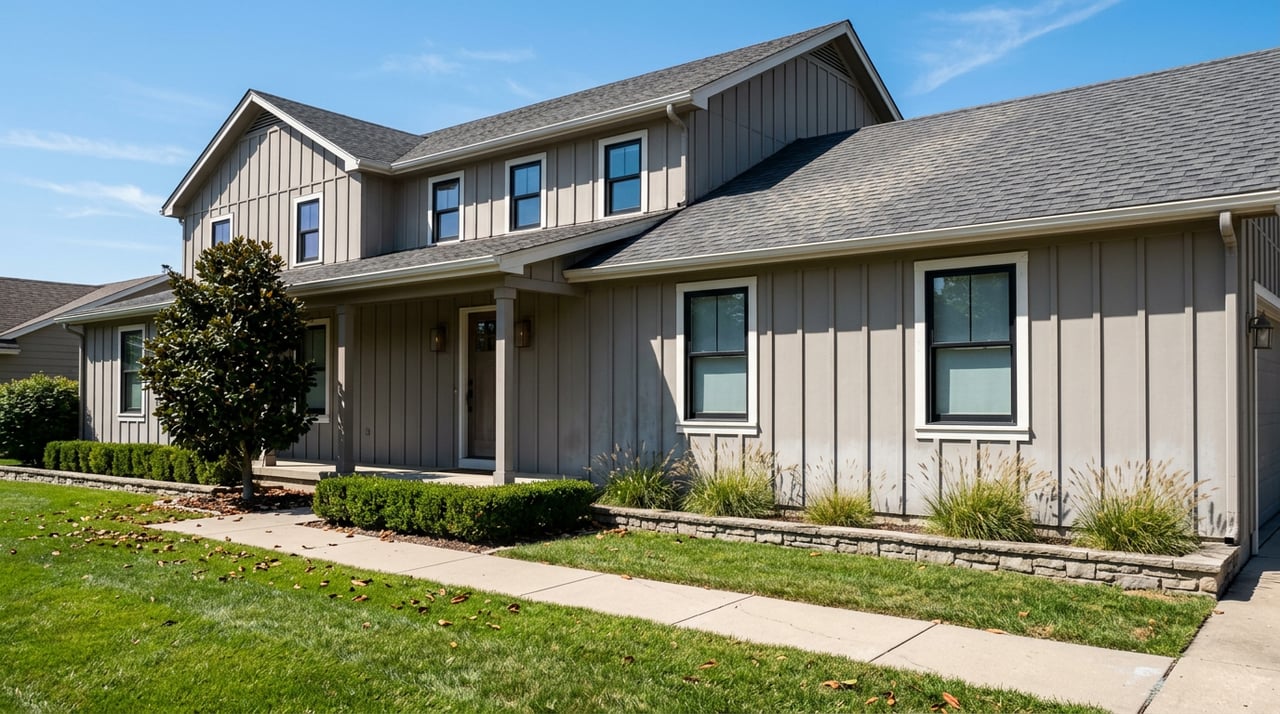
Pull two listings from the same week in Walnut Creek, both single-family, both under contract within days, priced $50,000 apart. Ask a lender to run numbers on each and you'll get two different conversations. One buyer puts down 5 percent and closes with standard paperwork. The other needs a 700-plus credit score, a bigger reserve fund, and a lender who does manual underwriting. The houses look almost identical on a spec sheet. The financing does not.
That split isn't random. It falls at a specific number, set by federal housing regulators for Contra Costa County, and it sits close to where a lot of Walnut Creek's "typical" single-family inventory happens to price. If you're comparing this city to Lafayette or Danville on a spreadsheet, or trying to figure out why your preapproval letter reads differently than your neighbor's, this is the mechanism worth understanding before you tour anything.
The line that decides your rate, not your listing price
Every year, the Federal Housing Finance Agency sets a ceiling for how large a loan Fannie Mae and Freddie Mac will buy from a lender. Cross that ceiling and you're in jumbo territory, where the agencies step back and individual lenders set their own rules. For 2026, Contra Costa County sits at the top tier available anywhere in the country: a standard limit of $832,750 for a one-unit home, and a high-cost ceiling of $1,249,125.
Below $832,750, a buyer can often put down as little as 3 to 5 percent, with the entire down payment coming from a gift if needed. Between $832,750 and $1,249,125, the loan is still agency-backed, still eligible for a 5 percent down payment, but classified as high-balance conforming, with slightly tighter guidelines. Above $1,249,125, the rules change more sharply: manual underwriting, credit scores typically in the 700s, larger cash reserves, and a more involved appraisal process.
| Standard conforming | High-balance conforming | Jumbo | |
|---|---|---|---|
| Loan amount (1-unit) | Up to $832,750 | $832,750 to $1,249,125 | Above $1,249,125 |
| Typical minimum down | 3 to 5% | 5% | Often 20% or more |
| Underwriting | Automated, gift funds allowed | Automated, slightly tighter | Manual, larger reserves expected |
That third column is where a meaningful share of Walnut Creek's single-family market actually lives. Mainstream single-family homes in the city routinely sell above $1 million, and homes in the more sought-after pockets push well past $1.5 million. A buyer shopping a $1.2 million house and a $1.35 million house two neighborhoods over isn't comparing two similar purchases. They're comparing a high-balance conforming loan to a jumbo one, and the difference shows up in the down payment, the paperwork, and how fast the loan can close.
Four names for four different transactions
If you've already checked a couple of national home value trackers for Walnut Creek, you may have noticed the numbers don't agree with each other. One widely used real estate site put the city's three-month median sale price near $997,000 for the months ending in June 2026. Another major national valuation tool pegged the average home value closer to $1.04 million around the same point in the summer. A third tracker, pulling from actual closed sales over a rolling six-month window through late August 2026, landed on a median of $920,000 across 653 tracked closings, with the middle half of those sales spread all the way from $525,000 to $1,449,000.
None of these numbers is wrong. They're measuring different things, over different windows, off different sample sets. But the wider point matters more than any single figure: a median that wide, spanning nearly a million dollars in the middle 50 percent of sales, isn't describing one market. It's the arithmetic center of several markets that rarely compete for the same buyer.
Walk through what's actually inside that blend. Condos and townhomes generally run $400,000 to $800,000, which is a different transaction entirely from a detached single-family home starting above $1 million. And on the far end, Rossmoor, the age-restricted community that makes up a meaningful share of the city's total housing stock, adds inventory starting in the low $200,000s. When you average a $220,000 Rossmoor co-op with a $1.6 million Northgate estate, the output number describes neither one.
Rossmoor breaks the average on purpose
Rossmoor is the segment that does the most damage to a citywide median, and it's worth understanding why on its own terms, not just as a statistical asterisk. According to reporting on the community, Rossmoor has about 9,000 residents across just over 7,000 units, the large majority a mix of condos and cooperatives, with only 64 detached single-family homes in the mix. It's governed through 23 separate homeowners associations, called Mutuals, each running its own board, budget, and reserve fund.
Here's what changes the transaction for a buyer. In early 2024, Rossmoor's community-wide insurance coverage dropped below the threshold Fannie Mae and Freddie Mac require, and the community was placed on Fannie Mae's list of properties ineligible for standard conforming financing. That status has nothing to do with the condition of any individual manor or unit. It's a master insurance issue at the community level, tied to the same wildfire-driven pressure that's reshaped property insurance across California generally. But it means a standard 30-year conventional mortgage isn't available for most Rossmoor condos and co-ops right now. Buyers typically end up in one of three lanes: a portfolio loan held by a lender who keeps it in-house rather than selling it to the agencies, a co-op share loan through one of a small number of specialty lenders, or an all-cash purchase.
There's a second cost that changes mid-year and catches people who are working from an older printout. Every new Rossmoor resident pays a one-time Membership Transfer Fee at closing, separate from escrow and title costs. As of January 2026 that fee stood at $14,000. It rose to $18,000 on April 1, 2026, an increase of nearly 29 percent, and that's been the live figure for months now.
Put the pieces together and you can see exactly why the citywide median swings the way it does. When Rossmoor closings run heavy in a given month, pulling in a larger share of lower-priced, cash-heavy transactions, the citywide median drops. That looks like a cooling market. It usually isn't. It's a shift in which segment happened to trade that month.
Before you tour
If you're comparing Walnut Creek to other East Bay cities on price alone, or trying to make sense of a number you saw online, a few questions do more work than the median ever will.
- Ask which segment a specific listing belongs to. A $1.2 million single-family home, a $650,000 downtown condo, and a $300,000 Rossmoor co-op are three different products, not three points on the same scale.
- If you're eyeing anything near $1.2 million to $1.3 million, ask your lender directly whether the loan lands on the conforming side of $1,249,125 or the jumbo side, and what changes about your down payment and documentation either way.
- If Rossmoor is on your list, find a lender who has closed a Rossmoor purchase before you start touring units. The financing timeline there can move on a slower clock than the rest of your search, and it's better to know your lane before you fall for a specific manor.
- Treat a single online median as a starting point, not a verdict. The spread inside that number is where the real information lives.
A few questions worth settling early
Does the $1,249,125 ceiling apply everywhere in Contra Costa County? Yes, the county sits at the national high-cost ceiling, the maximum available anywhere in the continental United States for 2026. That's the same figure whether you're buying in Walnut Creek, Concord, or elsewhere in the county.
Can I ever get a standard mortgage on a Rossmoor unit? It depends on the specific property and lender. Portfolio loans and co-op share loans are available through a narrower set of lenders who work directly with the community, and that's worth confirming before you write an offer, not after.
Why did the number my agent quoted look different from what I saw on a national site? Different trackers use different time windows and different definitions of the market boundary. A three-month median and a six-month rolling median off the same city will rarely match exactly, and neither one tells you what a specific address is worth on its own.
If you're weighing a move into Walnut Creek and want to know which segment actually fits your budget and financing, not just what the citywide number suggests, Lopez Listings can walk through the comps that matter for your specific situation. Get a Free Home Valuation and start the conversation with the numbers that actually apply to you.