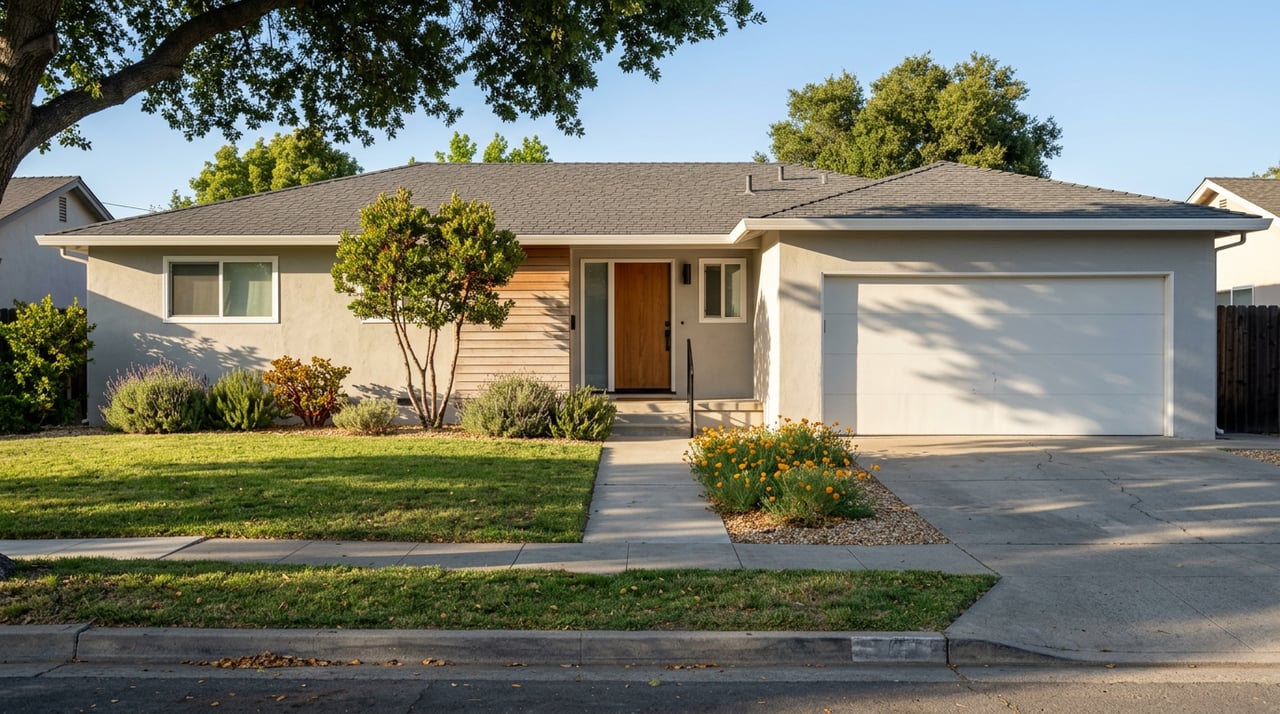
Thinking about a bigger home without leaving the East Bay? If you want more space, solid commute options, and a lively downtown without Berkeley or Walnut Creek price tags, Concord is worth a close look. In this guide, you’ll learn what daily life feels like, what you can buy, how you’ll get around, and where residents spend their weekends. You’ll also see tradeoffs to plan for so you can make a confident move. Let’s dive in.
Concord at a glance
Concord sits about 29 miles east of San Francisco and is the largest city in Contra Costa County with roughly 124,000 residents, according to Census QuickFacts. It blends suburban neighborhoods with a walkable downtown core around Todos Santos Plaza. You’ll find a wide mix of home types that serve different budgets and lifestyles. The city’s planning data shows a median household income near $100,442 and an average commute of about 35.2 minutes, which helps set expectations for work travel and local spending.
Housing and affordability
Concord’s price point attracts many cost‑conscious East Bay buyers. Redfin’s recent snapshot shows a median sale price around $755,000 in Concord, which places it below higher‑priced neighbors like Walnut Creek and Berkeley (Concord market data). For orientation, Walnut Creek’s median sits near $866,000 and Pleasant Hill’s around $1.175M; Oakland hovers near $740,000 and Berkeley near $1.3M. That puts Concord roughly 15 percent lower than Walnut Creek and about 55 percent lower than Pleasant Hill on a city‑median basis, while staying in range with some Oakland areas. For context on a nearby comparator, see Walnut Creek’s market.
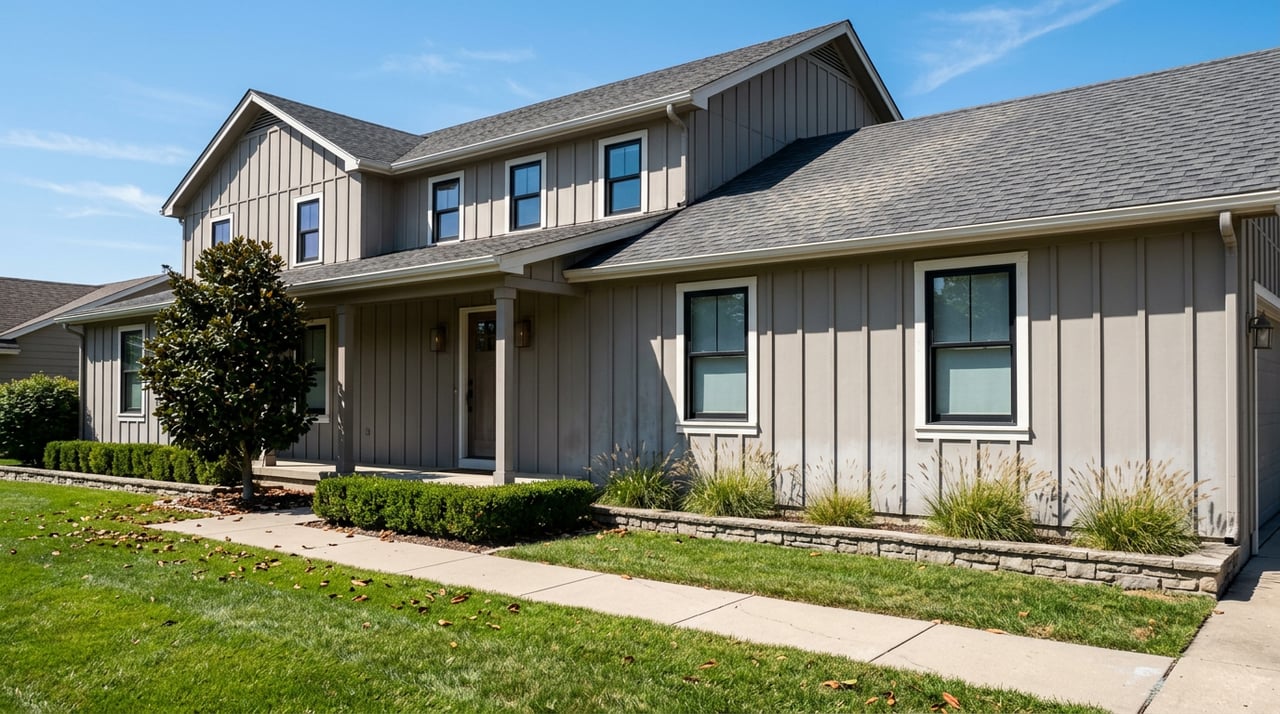
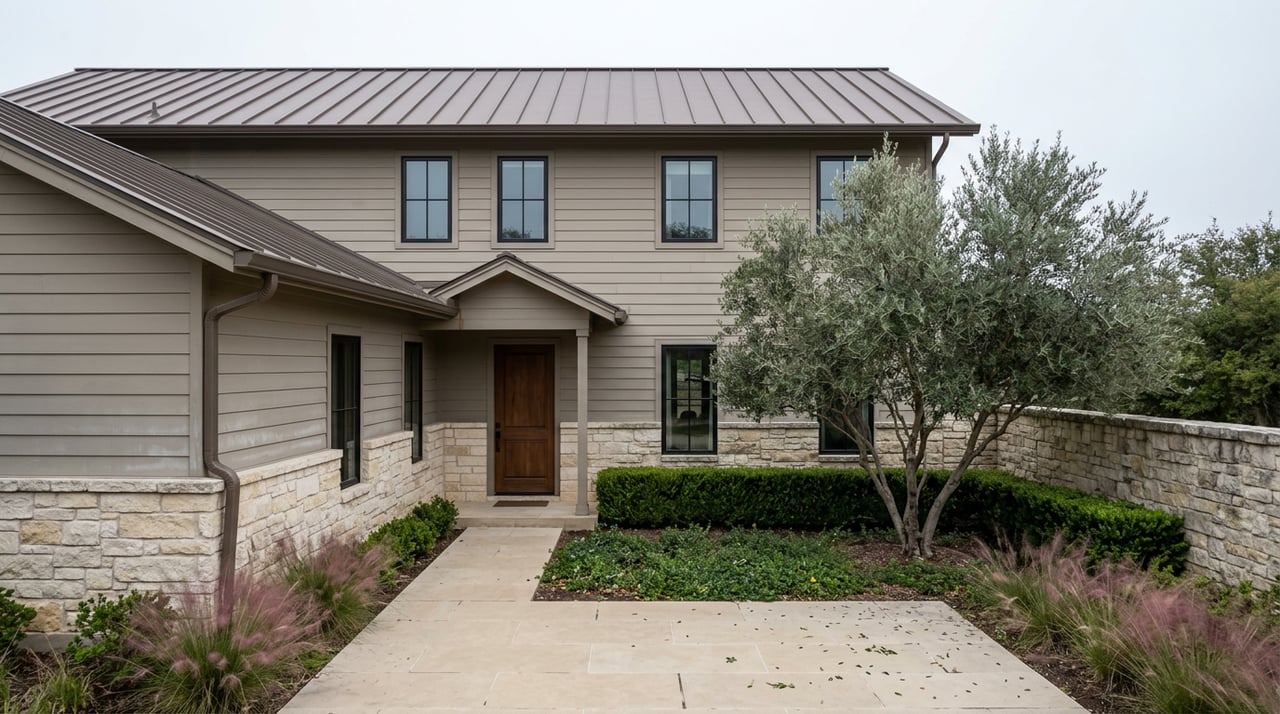
Prices vary by neighborhood and property type. Single‑family homes dominate many streets, while condos and apartments cluster near major corridors and transit. Because medians mask a lot of spread, you’ll want to compare like‑to‑like homes in the same micro‑area when you get serious.
What you can buy
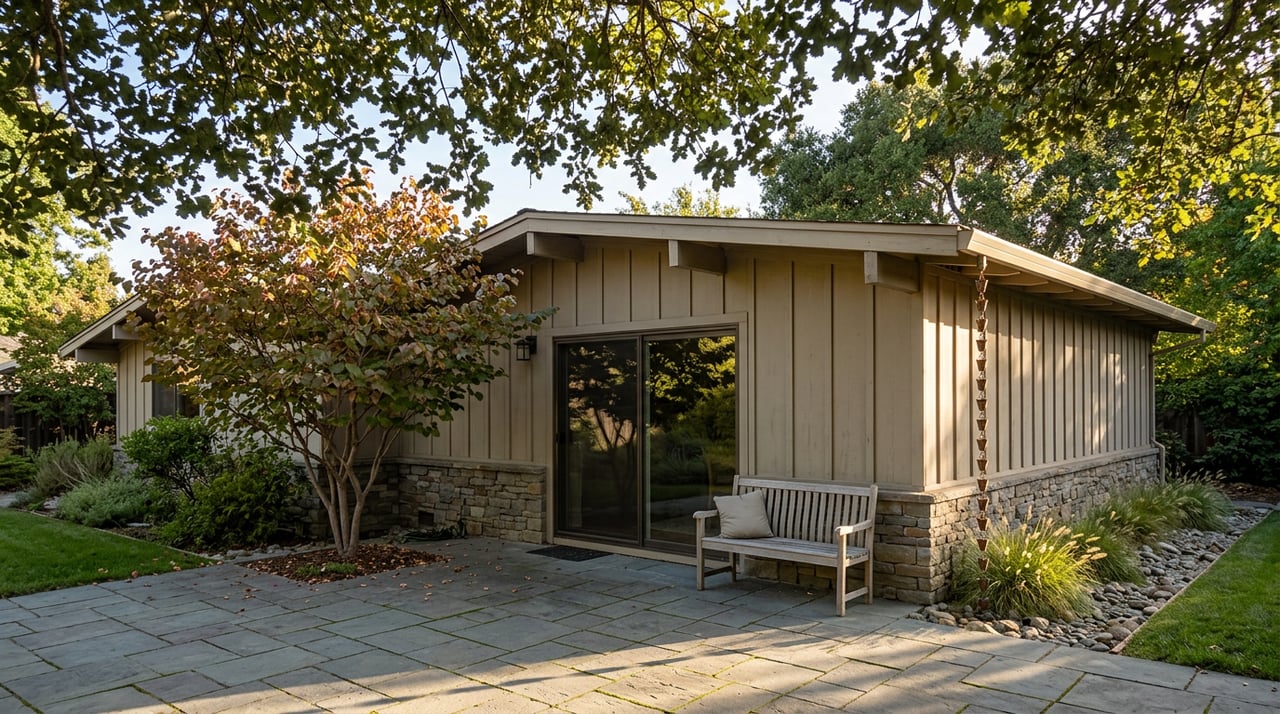
Most single‑family homes date from the mid‑20th century, with many classic ranch styles, smaller‑lot post‑war homes, and townhome communities mixed in. The city’s market analysis reports that about 79 percent of homes were built before 1980, so you should expect a range of condition levels and renovation potential. That older stock often means larger yards and more interior square footage at a given price point. It can also open the door to upgrades like energy improvements or an accessory dwelling unit (ADU) where allowed.
Tradeoffs to plan for
Older homes can carry deferred maintenance. Plan for thorough inspections and budget for items like electrical updates, foundation or seismic work, and energy‑efficiency upgrades. Many buyers see this as a chance to customize and add value over time. If you prefer a turn‑key home, narrow your search to recently renovated listings and newer infill areas when available.
Neighborhoods and feel
Downtown and Todos Santos
The downtown core centers on Todos Santos Plaza, which hosts a weekly farmers market and seasonal events that draw residents from across the city. Living nearby gives you walkable access to restaurants, cafes, and community programming that keeps the plaza lively. If you want a transit‑oriented lifestyle, this is the pocket closest to the Concord BART station. Learn more about the plaza’s community role and markets from Visit Concord’s event page.
Monument Corridor
Running along Monument Boulevard and Clayton Road, this corridor includes denser apartment and older multifamily buildings alongside shopping centers. It often offers more budget‑friendly options compared with single‑family neighborhoods. The city’s planning materials note active focus on infrastructure and housing needs in this area, so the built environment can feel more urban and auto‑oriented than leafier blocks.
North Concord and Sunvalley
North Concord and the Sunvalley area feel classic suburban with large retail nearby. The Sunvalley Shopping Center remains a regional retail hub, and Diablo Valley College is a short drive. You are also close to major highways, which can be useful if you commute by car.
Getting around
Concord is well connected by transit and highways. The city has two nearby BART stations that matter for daily life: the Concord station in the downtown core and the North Concord/Martinez station. Both are on the Antioch to SFO/Millbrae service, and the downtown station anchors the most walkable slice of the city. See station details on BART’s Concord page.
Driving is shaped by three main routes: Interstate 680 for north‑south travel, State Route 4 for east‑west, and State Route 242, which links the two. These corridors connect Concord to Walnut Creek, Oakland, and jobs throughout the East Bay, but plan for peak congestion during commute windows. The city’s planning overview highlights these same arteries when discussing regional connectivity, which you can review in the City of Concord planning overview.
Parks, dining, and weekends
If you love the outdoors, you will have quick access to miles of trails and sweeping hill views. Lime Ridge Open Space, shared with Walnut Creek, offers hiking and ridge‑top scenery right at the city’s edge. For trail maps and access points, use the East Bay Regional Park District map. Mount Diablo State Park sits nearby as well, giving you an easy day‑trip with dramatic vistas.
For events, the Concord Pavilion draws national touring acts throughout the spring and summer. Many residents plan weekend nights around the concert schedule, sometimes pairing a show with dinner downtown. You can check upcoming performances on the Concord Pavilion events page.
Dining runs the gamut from independent spots downtown to a well‑documented Taco Trail and a growing beer scene highlighted by Visit Concord. Weekly markets and the Music & Market summer series at Todos Santos make it easy to build community into your routine. Retail needs are covered by regional centers like Sunvalley and cluster retail along major corridors.
Future growth to watch
The former Concord Naval Weapons Station is the city’s largest long‑term redevelopment area, known as the Concord Reuse Project. The plan envisions a mix of housing, jobs, and open space built over several decades. Timelines depend on environmental work, financing, and master‑developer phases, so this is a marathon rather than a sprint. You can read more in the City of Concord Reuse Project overview.
Buyer tips for Concord
- Define must‑haves by micro‑area. Proximity to BART, yard size, and school zoning lines can change block by block. Start with a tight map and compare like‑to‑like homes.
- Plan a renovation budget. With so much stock built before 1980, set aside funds for safety, energy, and cosmetic updates. Prioritize inspections for structure, roof, and electrical.
- Weigh commute tradeoffs. Test a BART and a driving commute during the times you would actually travel. That 35‑minute average can swing based on route and schedule.
- Consider ADU or expansion potential. Larger lots and one‑story ranches can be good candidates for future projects where allowed.
- Shop property types. Townhomes and condos near corridors often come at lower prices than single‑family homes, but compare HOA dues and rules.
- Time your search with seasonality. Inventory and competition ebb and flow; use real‑time comps for your target area rather than broad city medians.
Is Concord a fit for you?
Concord tends to suit buyers who want more space for the dollar, easy access to BART and highways, and a lively but manageable downtown scene. If you value a yard for pets or gardening, or you want a home you can personalize over time, it may be a strong match. If your top priority is a fully walkable lifestyle across most errands, focus your search downtown near Todos Santos or plan to blend transit and driving.
If you want a local plan tailored to your budget and commute, let’s connect. As a Walnut Creek–based advocate with deep Contra Costa experience, I can help you compare micro‑neighborhoods, coordinate inspections, and negotiate with clarity so you feel informed at every step. When you are ready to explore, reach out to Alex Lopez for local guidance and next steps.
Sources cited
- Population and city status: Census QuickFacts for Concord
- Median sale price and market context: Redfin Concord market data and Redfin Walnut Creek market data
- Income, commute, housing age, and corridor notes: City/County market analysis (Concord) Contra Costa planning document
- BART service and station info: BART Concord Station
- Highways and connectivity: City of Concord planning overview
- Open space and trails: EBRPD Lime Ridge map
- Events and concerts: Concord Pavilion events
FAQs
What are typical Concord home prices right now?
- Redfin’s recent snapshot shows a Concord median sale price around $755,000, though neighborhood and property type can shift that number.
How does Concord pricing compare to nearby cities?
- On a city‑median basis, Concord is roughly 15 percent lower than Walnut Creek and about 55 percent lower than Pleasant Hill, with Oakland closer in range and Berkeley much higher.
What is the commute like from Concord?
- The average commute is about 35 minutes, with two BART stations for rail access and major highways I‑680, SR‑4, and SR‑242 for drivers.
Which Concord areas feel most walkable?
- The downtown area around Todos Santos Plaza offers the most walkable cluster of dining, events, and the Concord BART station.
What kinds of homes are common in Concord?
- Many single‑family ranch homes from the mid‑20th century, plus townhomes and condos near major corridors, and apartments close to transit.
What do residents do on weekends in Concord?
- Popular options include concerts at the Concord Pavilion, hiking at Lime Ridge or Mount Diablo, and visiting the weekly farmers market downtown.
What future development could impact Concord housing?
- The long‑term Concord Reuse Project at the former Naval Weapons Station plans new housing, jobs, and open space over several decades.