If you are trying to decide between downtown and suburban living in Walnut Creek, you are really choosing how you want your daily life to feel. Some buyers want to walk to restaurants, shopping, and BART, while others want more space, easier parking, and quick access to parks and open space. The good news is that Walnut Creek offers both, and each option comes with clear tradeoffs. Here is how to compare them with confidence so you can focus on the lifestyle that fits you best.
How Walnut Creek Supports Both Lifestyles
Walnut Creek is not just one kind of housing market. City planning documents describe it as both a subregional retail and employment center and a community with a strong suburban housing base. That is why the downtown core feels more urban and active, while many surrounding neighborhoods feel lower-density and more residential.
The city has also shaped these areas differently through zoning and specific plans. In and around downtown, plans encourage mixed-use, walkable development, especially near the Walnut Creek BART station. In lower-density neighborhoods, the pattern shifts toward detached homes, larger lots, and a more traditional suburban layout.
Downtown Walnut Creek at a Glance
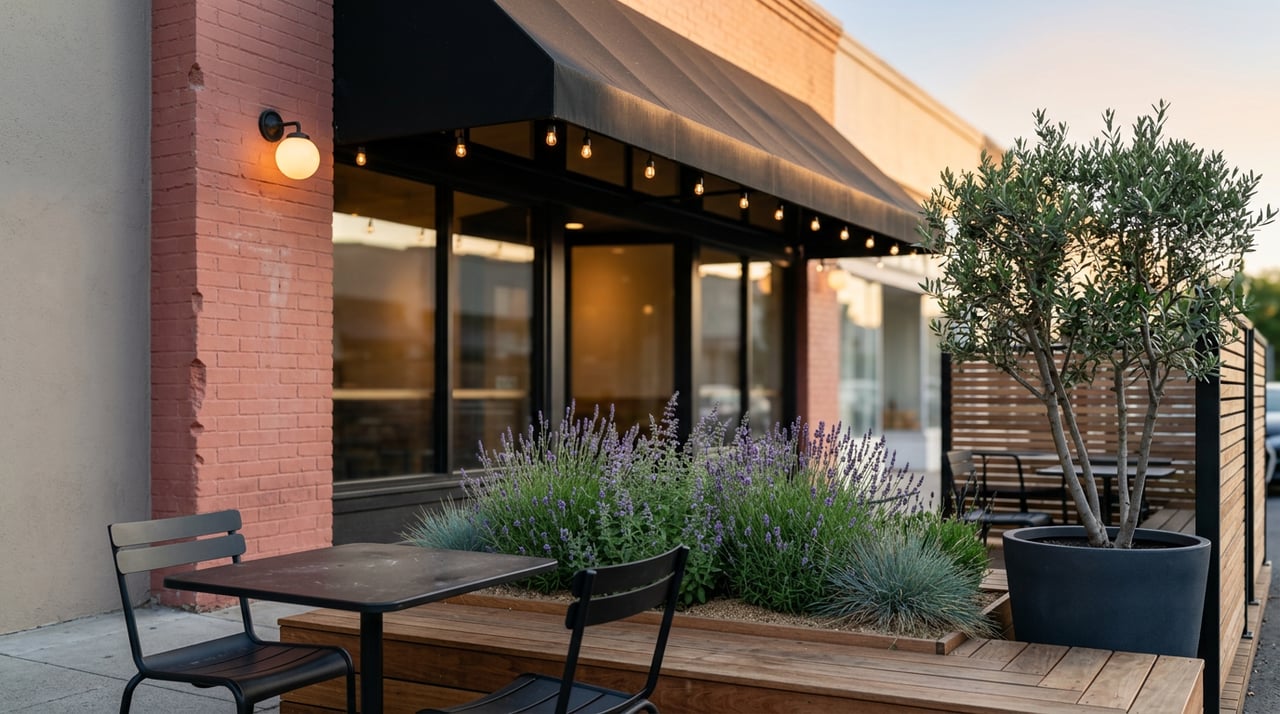
Downtown Walnut Creek is designed for convenience and activity. The city says the downtown core area is intended for multifamily apartments and condominiums in a convenient urban environment near BART and bus service. If you want a home base with strong access to dining, shopping, arts, and transit, this is the center of that lifestyle.
North Downtown and West Downtown help define this pattern. North Downtown includes an area from Civic Drive to Parkside Drive and from Highway 680 to the Iron Horse Trail, with planning focused on homes, offices, community space, and retail while improving walking, biking, and transit access. West Downtown, near BART, California Boulevard, Olympic Boulevard, and I-680, also plans for new homes and businesses while preserving the nearby Almond-Shuey neighborhood.
Housing in Downtown
If you picture condos, apartments, and mixed-use buildings, you are thinking in the right direction. Downtown development is generally built around multifamily housing and mixed-use sites with smaller setbacks and higher intensity than single-family areas. A major example is the Walnut Creek Transit Village, which is planned to include about 596 multifamily units, retail space, a replacement parking garage, a BART police facility, and an intermodal bus facility.
In practical terms, downtown living often means less private outdoor space but easier access to daily needs. It can also mean lower-maintenance housing compared with a detached home. For many buyers, that trade is worth it if location and convenience are top priorities.
Daily Life Downtown
Downtown is where Walnut Creek feels most energetic. Broadway Plaza describes itself as an open-air shopping center with more than 80 specialty shops and restaurants, and Walnut Creek Downtown says the core has more than 120 dining establishments. The area also includes Civic Park, a 16.7-acre park with playgrounds, picnic space, a community center, a library, seasonal ice rink access, Civic Arts Studios, and a connection to the Iron Horse Trail.
You also get strong access to arts and entertainment. The Lesher Center for the Arts hosts more than 900 productions and events each year and draws more than 350,000 patrons. Add in a year-round events calendar, and downtown clearly offers a busier, more active setting than most suburban neighborhoods.
Parking and Transit Downtown
Downtown parking is managed closely because demand is high. The city’s goal is to keep one or two parking spaces open on every block, and lunch and dinner are usually the busiest times. Metered parking in the downtown core is $2 per hour with 3-hour limits, while garages are open 24 hours, include a free first hour, and charge $1.25 per hour in the Broadway, Lesher Center, and South Locust garages.
Transit is one of downtown’s biggest advantages. The Walnut Creek BART station serves downtown and major employment and shopping areas, and the free Route 4 Downtown Trolley runs seven days a week from BART to shopping, restaurant, and entertainment destinations every 20 minutes. The Route 5 Creekside Shuttle also serves California Boulevard, South Main Street, Creekside Drive, and downtown destinations.
Suburban Walnut Creek at a Glance
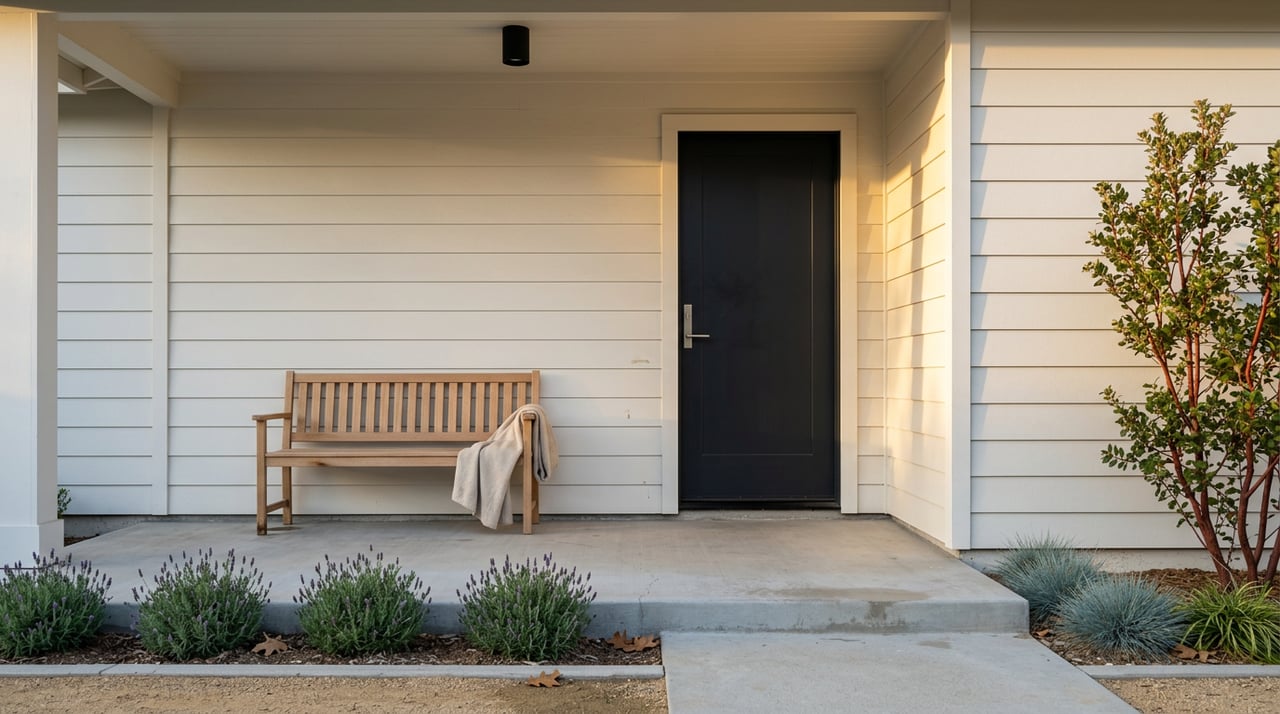
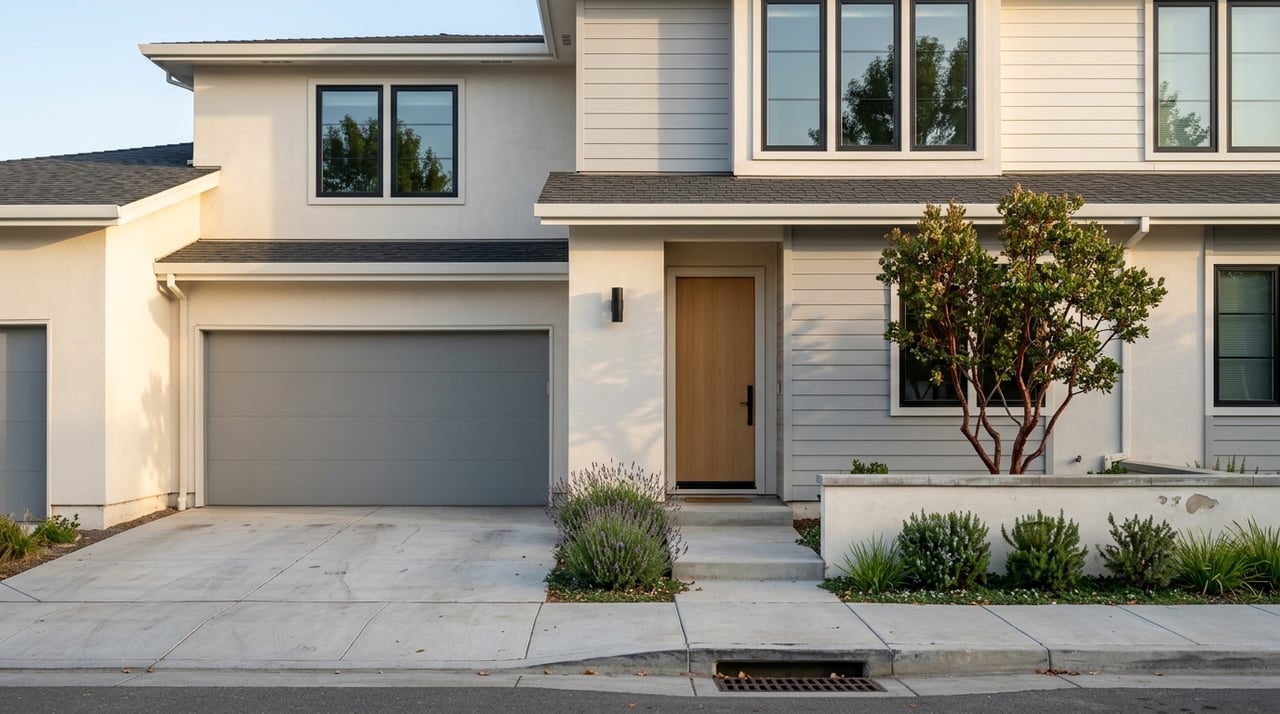
Suburban Walnut Creek offers a different kind of value. Instead of walk-to-everything convenience, the focus is usually on detached homes, more private parking, larger lots, and easier access to parks and open space. If you want your home to feel more spread out and your street to feel calmer, this side of the market often fits better.
The city’s land-use framework describes single-family low land use as a transition between a typical suburban single-family neighborhood and outlying rural residential areas. That official description captures the feel well. You still get Walnut Creek amenities, but with a lower-density residential pattern.
Housing in Suburban Areas
Single-family standards in Walnut Creek show a clear contrast with downtown. Minimum lot area ranges from 4,840 square feet in SFH-PD1 up to 40,000 square feet in R-40, with widths from 50 to 140 feet and heights generally capped at 25 feet or two stories. That usually translates into more yard space, more separation between homes, and a more traditional neighborhood feel.
Parking is also different. The city requires two covered spaces per dwelling unit in single-family zones, which helps explain why suburban neighborhoods often feel more parking-friendly and more private than downtown streets. For buyers who want garage space, storage, or a more car-oriented setup, this can be a major plus.
Parks and Open Space Access
One of the strongest suburban advantages in Walnut Creek is outdoor access. The city says Walnut Creek has 22 city parks and 2,700 acres of open space, and its Open Space division manages more than 3,000 acres across areas including Acalanes Ridge, Borges Ranch, Howe Homestead Park, Lime Ridge, Shell Ridge, and Sugarloaf. That gives many neighborhoods a closer connection to trailheads, open land, and recreation.
Heather Farm Park is another standout. The city describes it as an approximately 100-acre park that serves as the core of Walnut Creek’s park and recreation system, with a garden center, swimming complex, lake, pond, nature area, equestrian center, ball fields, tennis courts, and a community center. If outdoor space matters to you, suburban Walnut Creek often makes that easier to enjoy as part of your routine.
Key Differences That Matter Most
When buyers compare downtown versus suburban living in Walnut Creek, the decision usually comes down to a few daily-life questions.
Choose Downtown if You Prioritize
- Walkability to restaurants, shopping, and entertainment
- Close access to Walnut Creek BART
- Lower-maintenance housing like condos or apartments
- A more active environment with events and street activity
- Convenience over lot size or private outdoor space
Choose Suburban Areas if You Prioritize
- Detached homes and larger lots
- More private parking and garage space
- Easier access to neighborhood parks and open space
- Quieter, lower-density residential streets
- More room to spread out indoors and outdoors
What About Noise and Pace?
While the research does not cite a formal decibel study, the overall pattern is clear. Downtown is usually busier because it concentrates restaurants, shopping, entertainment, transit activity, events, and steady parking turnover. That can feel exciting and convenient, but it also brings more ambient activity.
Suburban neighborhoods are generally quieter because they are lower density and often closer to open space. That does not mean every residential street is the same, and some neighborhoods still use permit parking programs. Still, if peace and privacy are high on your list, suburban areas usually offer more of that feel.
Where New Housing Is Concentrated
Another important difference is where Walnut Creek is growing. The city says the vast majority of new housing is in multifamily or mixed-use zoning districts because sites in single-family zoning are limited. In other words, if you are looking at newer supply, you are more likely to find it near downtown than in established single-family neighborhoods.
That matters if you want newer building features, transit-oriented development, or a home in an area with active redevelopment. It also helps explain why downtown and BART-adjacent areas continue to play such a large role in Walnut Creek’s housing conversation.
How to Decide What Fits You Best
A simple way to make this decision is to picture an ordinary weekday and an ordinary weekend. If your ideal setup includes walking to coffee, dinner, retail, arts, and transit, downtown may give you more of what you will actually use. If you picture yard space, easier parking, and quick access to parks or trails, suburban Walnut Creek may be the better fit.
The right answer is not about which lifestyle is better in general. It is about which one supports your routine, your priorities, and the kind of home you want to come back to every day. In Walnut Creek, both options are real, and both can be smart depending on what matters most to you.
If you are weighing downtown versus suburban living in Walnut Creek, Alex Lopez can help you compare options clearly, stay organized, and make a move that fits your goals with less stress.
FAQs
What is the main difference between downtown and suburban living in Walnut Creek?
- Downtown Walnut Creek usually offers more walkability, transit access, dining, shopping, and multifamily housing, while suburban Walnut Creek usually offers detached homes, larger lots, easier parking, and better access to parks and open space.
What housing types are common in downtown Walnut Creek?
- Downtown Walnut Creek is primarily intended for multifamily apartments, condominiums, and mixed-use development, especially near BART and in North Downtown and West Downtown planning areas.
What housing types are common in suburban Walnut Creek?
- Suburban Walnut Creek is more associated with single-family homes on larger lots, with lower heights, more private parking, and a more traditional residential layout.
Is downtown Walnut Creek better for transit access?
- Yes. Downtown has the strongest transit advantage because the Walnut Creek BART station serves the area, and the free Route 4 Downtown Trolley connects BART with shopping, dining, and entertainment destinations.
Are suburban Walnut Creek neighborhoods quieter than downtown?
- In general, yes. Downtown tends to be busier because of restaurants, events, shopping, and transit activity, while suburban neighborhoods are generally lower density and closer to parks or open space.
Does Walnut Creek have good parks and open space outside downtown?
- Yes. Walnut Creek has 22 city parks, 2,700 acres of open space, and more than 3,000 acres managed by the Open Space division, plus major destinations like Heather Farm Park.
Where is most new housing being built in Walnut Creek?
- Most new housing is concentrated in multifamily and mixed-use zoning districts, which means new supply is more likely to be found near downtown than in established single-family neighborhoods.